My uncle purchased what he called his dream home back in 2019. It was in a good neighborhood, fairly priced, and looked structurally solid from the outside. Four years later, he ended up ripping out an entire kitchen wall because termites had actually been living inside it since the day he moved in.
The contractor working on the repair told him something that really stayed with me: “If a basic termite treatment had been done when you bought this house, this level of damage wouldn’t exist today.”
That single sentence says a lot.
The Damage Starts Long Before You Notice It
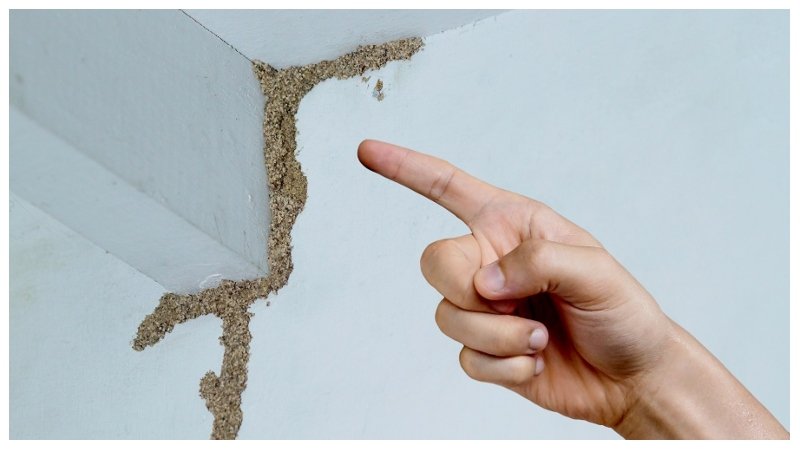
What most homeowners don’t realize is that termite problems begin silently. There are no obvious warning signs in the early stages. For one or even two years, termites can stay hidden deep inside wood, walls, and flooring, slowly feeding and expanding their colony.
By the time any changes become noticeable, the damage is already significant. What you see is never the start of the problem—it’s usually just the surface result of long-term activity underneath.
Some early indicators people sometimes notice include:
- Doors or windows suddenly becoming harder to open or close
- Slight sagging or bouncing in certain floor areas
- Wood that sounds empty when tapped
- Small piles of wings near windows after warm weather
- Paint that starts bubbling or peeling without moisture issues
Individually, these signs can seem harmless. Together, they often point toward termite activity, and that’s when a Termite Treatment inspection becomes urgent.
What Proper Termite Treatment Actually Involves
Many people imagine termite control as a quick outdoor spray and nothing more—but real Termite Treatment is much more detailed and targeted.
The first step is identifying the type of termite involved. Subterranean termites travel through soil and enter from below structures, while drywood termites live entirely inside wood and don’t require soil contact. Both require completely different treatment methods.
For subterranean termites, a liquid soil barrier is commonly used. A termiticide is applied around the foundation, allowing worker termites to carry it back into the colony, spreading it through contact and eliminating it from within.
Bait systems take a slower but strategic approach. Termites consume treated bait, share it within the colony, and over time the population collapses gradually. This also helps with long-term monitoring.
For drywood termites, fumigation is often required. The structure is sealed, and a gas treatment reaches deep into wood and hidden spaces that liquid solutions cannot access.
Companies like Rice’s Termite & Pest Control determine the correct approach based on inspection results rather than using a one-size-fits-all method.
How Ant Pest Control Helps Identify Hidden Issues
Carpenter ants are often ignored because people assume they are just a minor nuisance. But they can actually signal deeper structural problems.
Unlike regular ants, carpenter ants don’t eat wood—they carve through it to create nesting areas. They are usually attracted to wood that has already been softened by moisture.
Because of this, proper Ant Pest Control involves more than just eliminating visible ants. It includes:
- Finding the actual nesting site
- Identifying moisture sources attracting them
- Treating both the infestation and the root cause
- Monitoring the area to prevent recurrence
This is why professional inspections often check for both termite activity and carpenter ants together. In many cases, the underlying issue is the same: moisture and weakened wood.
Why Annual Inspections Matter More Than People Think
Most homeowners skip inspections because everything looks fine. But that’s exactly how termite damage goes unnoticed.
Certain homes are more at risk, including:
- Houses with crawl spaces close to soil
- Properties with heavy mulch or landscaping near foundations
- Older homes built before modern building protections
- Homes with a previous termite history
For most properties, a yearly inspection is enough to catch issues early and prevent long-term damage. Click here for more information.
The Financial Reality of Ignoring It
A standard Termite Treatment usually costs a few hundred to around $1,500 depending on the method and size of the home. Routine inspections can be even more affordable when bundled.
However, termite damage repairs are a completely different story. Once structural components like beams or flooring are affected, repair costs can easily reach $5,000 to $10,000 or more.
To make things worse, most homeowner insurance policies do not cover termite damage because it is considered preventable maintenance.
That means the entire cost falls directly on the homeowner.
Choosing the Right Professionals Matters
Not all pest control services approach the job the same way. A reliable company should be transparent and thorough.
Before hiring anyone, it helps to ask:
- Do they inspect crawl spaces and hidden areas?
- Do they show evidence of infestation?
- Is the treatment plan clearly explained?
- Do they customize solutions based on termite type?
- Is follow-up included after treatment?
Companies like Rice’s Termite & Pest Control focus on detailed inspections and clear communication so homeowners understand exactly what’s happening and why.
Final Thoughts
Termites don’t cause sudden damage—they work quietly over time until the problem becomes expensive. Similarly, carpenter ants often point to hidden moisture issues that should not be ignored.
Staying consistent with Termite Treatment and paying attention to Ant Pest Control is far less costly than repairing structural damage later.
In most cases, prevention isn’t just cheaper—it’s the only thing that actually protects your home before serious damage begins.