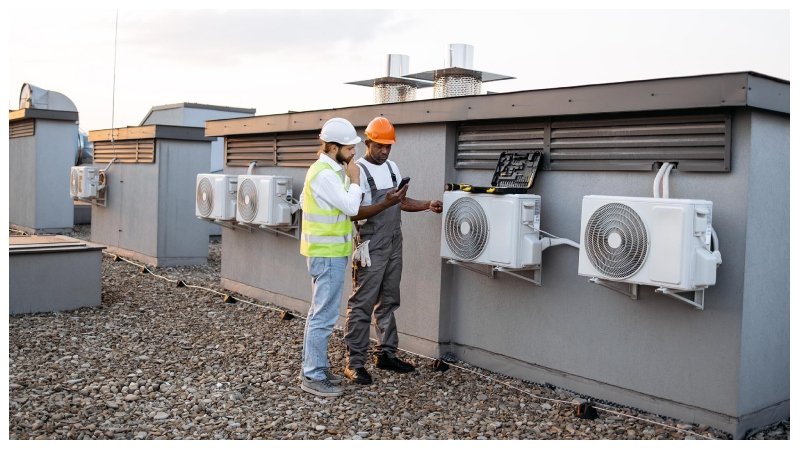
There’s a specific kind of dread that settles in when your air conditioner stops working on a Las Vegas summer afternoon. The temperature inside climbs faster than you’d expect. Within an hour, the discomfort is real. Within a few hours, it can become a health concern — especially for children, seniors, and pets. In that moment, what you need isn’t a national call center reading from a script. You need a local HVAC professional who can be at your door fast, diagnose the problem accurately, and fix it right the first time.
Rapid cooling system repair is more than just showing up quickly. It’s the combination of speed, local knowledge, technical capability, and customer accountability that only comes from a company deeply embedded in the community it serves.
Why Local Matters More Than You Think
When you call a large national HVAC chain, your service request enters a queue managed remotely by dispatchers who may be located in another state. Technicians may be contracted independently, their training levels may vary widely, and accountability is often diffuse. If something goes wrong or the repair doesn’t hold, getting resolution can be frustratingly difficult.
Local HVAC companies operate differently. Their reputation is built entirely within the community. Every job they do is either a reference or a warning for their neighbors, and they know it. That accountability drives higher standards of workmanship, more honest communication about costs and timelines, and a genuine sense of urgency when a customer is suffering in the heat.
Local technicians also understand the specific environmental conditions of the Las Vegas Valley. They know how the intense UV exposure degrades capacitors faster than in cooler climates. They’re familiar with the effects of hard water on drain pans and condensate lines. They understand the dust load that the desert environment puts on filters and coils. This regional expertise translates directly into faster, more accurate diagnoses.
Common Cooling System Failures and Their Causes
Understanding what typically goes wrong with air conditioners helps homeowners recognize symptoms early and communicate effectively with their technician. The most common cooling system failures in the Las Vegas area include:
Capacitor failure is perhaps the single most common AC repair in hot climates. Capacitors store and release electrical energy to start and run the compressor and fan motors. The extreme heat of Las Vegas summers degrades capacitors significantly faster than in milder climates. A failing capacitor often causes the AC to hum but not start, or to run but not cool effectively.
Refrigerant leaks occur when vibrations, corrosion, or manufacturing defects cause pinhole leaks in the refrigerant lines or coils. A system low on refrigerant will blow air that’s cool but not cold, cause the evaporator coil to ice over, and eventually damage the compressor if not addressed. Note that refrigerant cannot simply be “topped off” — a leak must be found and repaired before recharging.
Compressor failure is the most serious and expensive AC repair. The compressor is the heart of the system, responsible for pressurizing the refrigerant. Signs of a failing compressor include warm air from the vents, hard starting, tripped circuit breakers, and unusual noises like rattling or clicking. In many cases, a hard start kit can extend the life of a struggling compressor significantly.
Dirty or blocked condenser coils reduce the system’s ability to shed heat, causing it to work harder, run longer, and cool less effectively. In dusty Las Vegas, outdoor condenser coils can become heavily fouled within a single season if not cleaned regularly.
Thermostat malfunctions are often overlooked. A faulty thermostat can cause the system to short-cycle, run continuously, or fail to trigger at all. Modern smart thermostats offer self-diagnostics, but older models may simply stop reading temperatures accurately without any obvious indication.
Clogged condensate drain lines are extremely common in humid summer months. When the drain line is blocked, water backs up into the drain pan, which can overflow and cause ceiling or wall damage. Many modern systems have a float switch that shuts down the unit when the pan fills — which is protective but confusing to homeowners who don’t know why their AC stopped running.
What to Expect from a Rapid Response Service Call
A high-quality rapid response service call follows a structured process regardless of how urgent the situation is. Here’s what a professional visit should look like:
- Clear communication before arrival. You should receive confirmation of your appointment window, an estimated arrival time, and — ideally — the name and credentials of the technician assigned to your call.
- Thorough diagnosis before any repair. A professional technician will spend time evaluating the entire system before recommending repairs. Jumping to conclusions leads to misdiagnoses, unnecessary part replacements, and repeat service calls.
- Transparent pricing before work begins. You should receive a written or clearly communicated estimate before any repair work starts. There should be no surprise charges after the fact.
- Quality parts and workmanship. Ask about the parts being used and whether they carry a warranty. Quality components and proper installation techniques make the difference between a repair that lasts and one that fails again within months.
- Post-repair system check. After completing the repair, the technician should run the system through a full cycle, verify that temperatures, pressures, and electrical readings are all within normal ranges, and confirm that the issue has been fully resolved. Click here for more information.
Protecting Your Home Between Service Calls
While professional service is irreplaceable, there are steps homeowners can take to reduce the likelihood of emergency breakdowns between scheduled maintenance visits:
- Change your air filter every 30–60 days during the heavy cooling season. A clogged filter restricts airflow and causes the evaporator coil to freeze.
- Keep the area around your outdoor condenser unit clear of debris, plants, and obstructions. Maintain at least 18–24 inches of clearance on all sides.
- Listen for unusual sounds from your system — rattling, clicking, or squealing are all signals worth a phone call to your HVAC provider.
- Monitor your energy bills. A sudden unexplained increase in your electric bill during consistent weather often indicates that your system is working harder than it should.
- Check your thermostat settings seasonally to ensure they still reflect your comfort preferences and schedule.
Fast, Reliable, and Local — The Elite Difference
When your cooling system fails, you need a team that treats your emergency with the same urgency you feel. Elite Plumbing, Heating & Air Conditioning has been serving the Las Vegas community with the kind of rapid, professional response that turns a stressful situation into a manageable one. Their local technicians carry a comprehensive inventory of common repair parts on their service vehicles, which means most repairs can be completed in a single visit — no waiting days for parts to arrive.
When the heat is on, Elite is the call that gets your home cool again — fast.
Elite Plumbing, Heating & Air Conditioning
3085 E Post Rd, Las Vegas, NV 89120
📞 702-263-2665
🌐 www.eliteheatingandacrepair.com