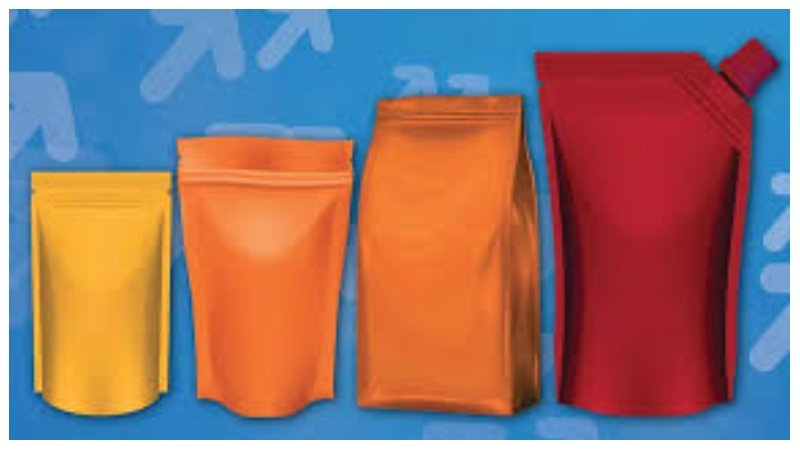
The packaging industry doesn’t sit still. Every year, new materials, technologies, and consumer expectations push brands to rethink how they package and present their products. In 2026, the flexible packaging trends shaping the market are more significant than ever — and businesses that ignore them risk falling behind on cost efficiency, sustainability goals, and consumer expectations all at once.
Whether you run a food brand, a personal care line, or an industrial supply business, these trends are worth paying attention to. Some are already mainstream. Others are just gaining momentum. All of them will matter.
Sustainable Flexible Packaging Is No Longer Optional
If there’s one trend that stands above the rest in 2026, it’s sustainability. Pressure is coming from multiple directions — regulators, retailers, and consumers all expect brands to reduce their packaging footprint. And for many companies, sustainable flexible packaging has become the most viable path forward.
The good news is that the options have improved dramatically. Mono-material flexible films can now be recycled through standard plastic film drop-off programs. Compostable pouches made from plant-based films are commercially available and shelf-stable enough for many food and personal care applications. And recycled-content films are becoming more accessible as the supply chain matures.
What’s changed in 2026 is that these sustainable options are no longer significantly more expensive or lower in performance than conventional materials. Brands that haven’t started this transition yet are running out of time to get ahead of the curve.
Digital Printing Is Changing the Game for Smaller Brands
For years, high-quality flexible packaging required large minimum order quantities because of the setup costs associated with traditional flexographic printing. Digital printing has changed that significantly.
Digital printing eliminates the need for printing plates, which dramatically reduces setup costs and makes short runs economically viable. A brand can now order a few thousand pouches, test the market, and reorder with updates — without the financial commitment of a 100,000-unit minimum.
This has opened the market to small and mid-sized brands previously priced out. It also enables larger brands to run limited edition designs, regional variations, and seasonal packaging without the complexity and cost that would have made such projects impractical before. High-resolution graphics, matte and gloss finishes, and metallic effects are all achievable through digital printing. Click here for more information.
Resealable and Convenience Features Are Becoming Standard
Resealable packaging was once a premium feature. In 2026, consumers expect it as a baseline — at least in categories where the product isn’t consumed in a single sitting. Zip locks, press-to-close seals, and resealable tape are now common across snack foods, coffee, pet food, and healthcare products.
Beyond resealability, features like easy-tear notches, one-way degassing valves for coffee, spouted closures for liquid products, and hang holes for retail display are being incorporated into more designs. These features improve the user experience and often reduce product waste. Packaging is now considered part of the product experience — and brands that invest in it see returns in customer satisfaction and repeat purchases.
The Flexible Packaging Market Is Growing — and Getting More Competitive
The global flexible packaging market was valued at over $270 billion in recent years and continues to grow at a steady pace. Growth is particularly strong in Asia-Pacific markets, but demand is increasing across all regions.
This growth is attracting more suppliers and manufacturers to the space, which is generally good news for buyers. More competition means more options, better pricing, and faster innovation cycles. But quality and reliability vary more across suppliers than they used to.
Businesses sourcing flexible packaging need to do their due diligence. Not all suppliers have the same capabilities when it comes to barrier performance, printing quality, or compliance with food safety regulations. For brands looking for a reliable partner in this growing market, Contipack Inc offers a range of solutions backed by technical expertise and consistent quality standards.
Active and Intelligent Packaging Is Moving Into the Mainstream
Active packaging includes formats that go beyond simply containing the product. Oxygen scavengers, moisture absorbers, and antimicrobial liners extend shelf life or maintain product quality in ways passive packaging can’t.
Intelligent packaging takes this further by incorporating sensors, indicators, or data-carrying elements into the package itself. Freshness indicators that change color when a product is no longer safe, time-temperature indicators for cold chain products, and NFC tags that connect consumers to digital content are all examples. As the cost of sensors drops, more mainstream consumer brands are incorporating them into their packaging strategy.
Eco-Friendly Packaging Is Driving Brand Differentiation
Sustainability has moved from a nice-to-have to a genuine brand differentiator. Consumers actively seek out brands that take their environmental impact seriously, and packaging is one of the most visible signals of that commitment.
Eco-friendly options now include post-consumer recycled (PCR) content films, certified compostable materials, bio-based plastics, and packaging designed for refill programs. Brands that lead on this earn measurable loyalty from environmentally conscious consumers — and that advantage compounds over time.
Lightweighting Is Accelerating
Lightweighting — reducing the amount of material used while maintaining performance — is an ongoing trend that shows no signs of slowing. Advances in film formulations mean today’s formats deliver the same barrier properties and strength as earlier versions while using measurably less material.
For brands, this means lower material costs and lower shipping costs. For the environment, it means less raw material consumption and lower carbon emissions. It’s a rare case where financial and environmental incentives align perfectly.
Final Thoughts
The flexible packaging trends shaping 2026 point toward a landscape that’s lighter, smarter, more sustainable, and more consumer-friendly than what came before. Brands that stay informed and adapt early will hold real competitive advantages.
Keep a close eye on where the Flexible Packaging market is heading. The next few years will bring more change than the previous decade — and the brands that move with it will be better positioned for long-term growth.