Table of Contents
- Introduction
- Understanding Construction Adhesives
- Types of Construction Adhesives
- Factors to Consider When Choosing an Adhesive
- Application Techniques for Optimal Results
- Common Mistakes to Avoid
- Conclusion
Construction projects demand solid bonds between materials to ensure structural integrity and longevity. Selecting a suitable adhesive not only affects the strength and durability of the build but also enables greater versatility in materials and methods. Understanding how to choose the best adhesive is key to a successful outcome. For example, professionals often turn to trusted solutions such as f-26 construction adhesive to achieve strong, reliable bonds across a range of projects.
The wide variety of adhesives available can make it challenging to determine which product best suits your needs. Whether working on interior renovations or structurally demanding outdoor installations, the right adhesive prevents costly repairs and enhances overall performance over time.
Proper adhesive selection goes beyond simply reading a label. Environmental factors, material compatibility, and required curing time can all influence which product is right for your application, just as much as the adhesive’s strength or flexibility. Making the right decision early in the planning process reduces problems, delays, and extra expenses later.
With the wide variety of products on the market, understanding different adhesive types and their intended uses will help you avoid common mistakes and ensure lasting, professional results.
Understanding Construction Adhesives
Construction adhesives serve as bonding agents designed for high-performance results across various building materials. These products differ from everyday glues in their ability to withstand mechanical stress, temperature changes, moisture, and vibration. The selectivity of their formulations makes them suitable for jobs such as securing subfloors, affixing drywall, or attaching trim and moldings. Their use ensures projects meet the rigorous demands required by both professionals and ambitious DIYers.
For in-depth information on adhesive science and factors influencing bond strength, review resources from established sites such as Bob Vila’s guide on construction adhesives. Such resources provide comprehensive guidance on the performance and application of adhesives to guarantee success.
Types of Construction Adhesives
Solving bonding challenges on the job site requires knowledge of different adhesive formulations:
- Water-Based Adhesives: Best suited for indoor use, these products are easy to clean and apply. They work especially well with porous substrates like wood and drywall, but should be avoided in wet or outdoor areas.
- Solvent-Based Adhesives: These are prized for their uncompromising strength and compatibility with tough surfaces such as metal or masonry. Due to their higher volatile organic compound (VOC) content, however, adequate ventilation is required during application.
- Polyurethane Adhesives: These adhesives cure into exceptionally strong, waterproof bonds and can expand, effectively filling small gaps. They excel in load-bearing and exterior construction projects, helping manage movement and environmental stress.
- Hybrid Polymer Adhesives: Combining various adhesive technologies, these products provide high strength and long-term flexibility. Their versatility, coupled with paintability, enables them to bond diverse materials securely in both structural and finishing applications.
Factors to Consider When Choosing an Adhesive
To select the optimal construction adhesive, consider these essential factors:
- Material Compatibility: The adhesive should be compatible with the materials in your project. Porous materials such as wood may work best with water-based adhesives, while metal or plastic often needs solvent-based or polyurethane types.
- Environmental Conditions: Assess moisture, temperature, and weather exposure in the application area. Certain adhesives remain more stable in higher humidity or extreme temperatures, making them better choices for challenging sites.
- Load Requirements: Consider whether your project is load-bearing. Heavy-duty jobs require structural adhesive grades to ensure the bond holds up over time, while lightweight applications may work with more general-purpose products.
- Flexibility: Areas subject to movement or vibration need an adhesive that stretches and rebounds rather than cracking, which can otherwise lead to structural weaknesses.
- Curing Time: The job schedule can be impacted by the adhesive’s setting and curing times. Some adhesives cure quickly to facilitate fast installation, while others require several hours or even days to reach full strength.
Application Techniques for Optimal Results
Ensuring the correct application procedure is as important as choosing the right adhesive:
- Surface Preparation: Start with clean, dry, and debris-free surfaces for maximum adhesion. Even small amounts of dust or oil can weaken a bond.
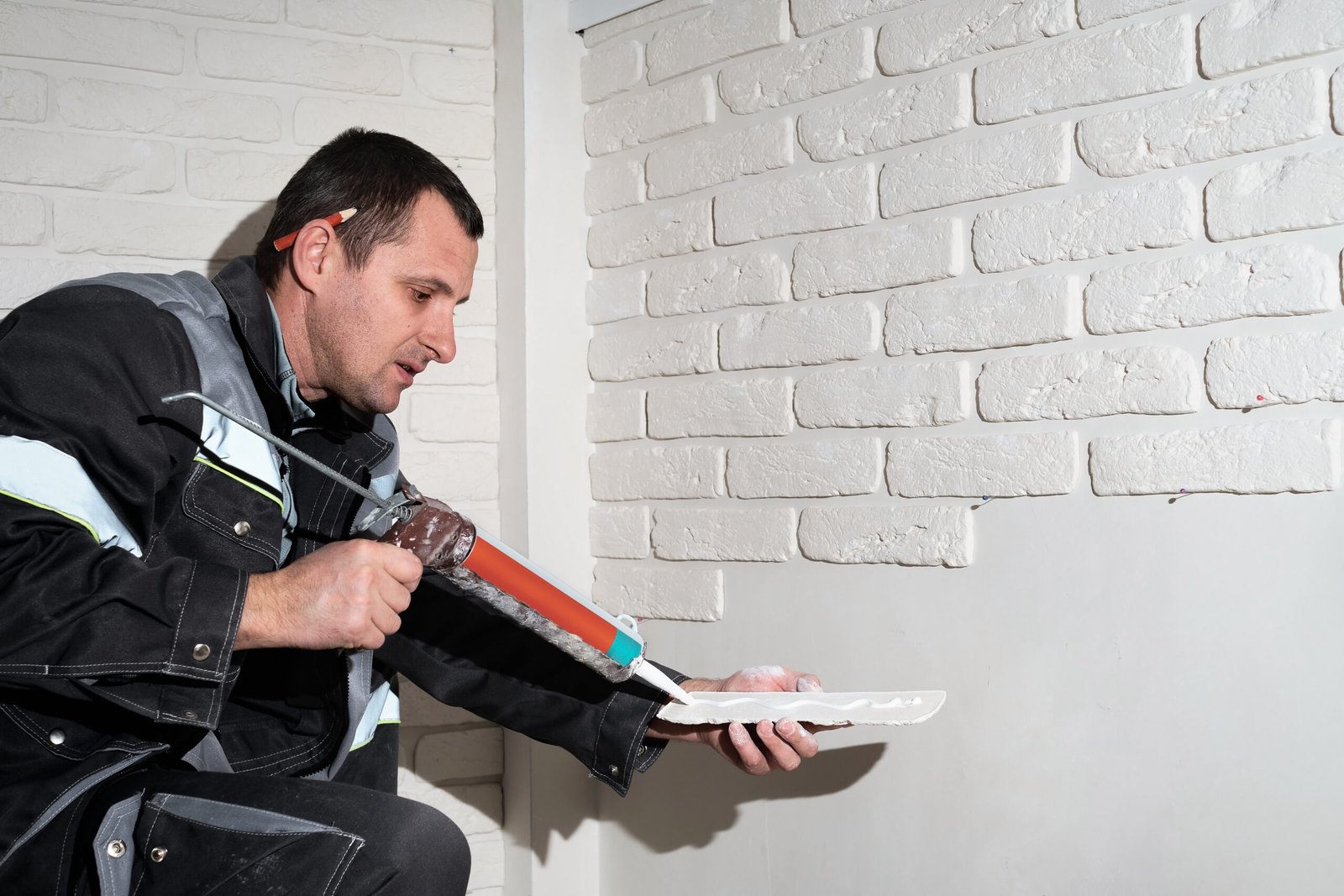
- Proper Application: Always follow the manufacturer’s application instructions, which may include how to dispense the adhesive and the recommended bead or spread pattern.
- Clamping or Bracing: Clamping the materials together until the adhesive sets will increase bond strength, especially if the product lacks a strong initial grab.
- Allowing for Curing Time: Respect the specified curing time before loading or disturbing the bond to achieve maximum strength and longevity.
Common Mistakes to Avoid
Many troublesome bond failures can be traced to preventable errors:
- Ignoring Manufacturer’s Guidelines: Each adhesive comes with specific instructions for best results. Skipping or misinterpreting these directions can undermine the bond’s effectiveness.
- Using the Wrong Adhesive for the Material: Not all adhesives are designed for every material. Mismatches reduce strength and may compromise the project’s integrity.
- Inadequate Surface Preparation: Failure to properly clean and prep surfaces results in poor adhesion, even if the correct adhesive is used elsewhere.
- Overlooking Environmental Factors: Adhesives may perform poorly or fail entirely when applied outside recommended environmental conditions, particularly for outdoor or moisture-exposed installations.
Conclusion
A successful construction project relies on choosing and applying the right adhesive for the job. Understanding the various types, assessing material compatibility, and applying best practices ensures durability and structural performance. When armed with this knowledge, builders and renovators can ensure their repairs, renovations, and builds stand the test of time.