Introduction
Vintage muscle cars occupy a special place in the world of passion investments. They are not purchased only for transportation, and they are rarely judged by practicality alone. A well-chosen classic performance car can represent taste, status, mechanical appreciation, and a personal connection to automotive history. For high-achieving professionals, that combination can be especially appealing. A collectible car becomes a reward for discipline, a symbol of individuality, and a machine that turns success into something physical, loud, and memorable.
Yet the same qualities that make vintage muscle cars desirable can also make them demanding. These vehicles were built decades ago for different roads, different safety expectations, different maintenance habits, and different ownership realities. A collector may love the shape, the sound, and the cultural weight of a classic Mustang, Camaro, Charger, or GTO, but ownership can involve hidden costs, technical limitations, inconsistent restoration quality, and the constant need for careful stewardship.
The Emotional Appeal Behind the Investment
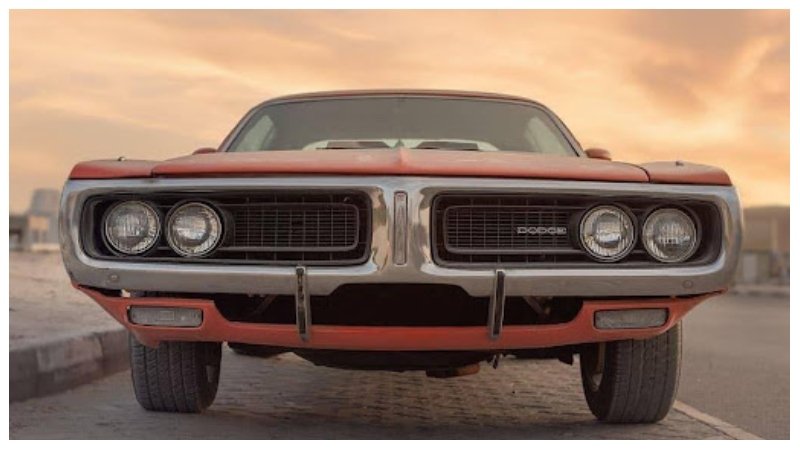
Classic muscle cars attract successful buyers because they offer something modern luxury products do not always provide: raw character. A vintage performance car has a visible personality. Its long hood, chrome details, wide stance, analog gauges, V8 sound, and mechanical feel create a sense of occasion. It does not disappear into the background like ordinary transportation. It announces itself with the confidence of a well-cut suit and the pulse of a drumline under the floorboards.
For many professionals, that presence matters. A collectible vehicle can become part of a broader lifestyle that includes private garages, curated homes, rare watches, tailored travel, and carefully selected experiences. The car reflects more than wealth. It reflects a preference for objects with history, craftsmanship, and identity. That is why the best muscle cars continue to attract attention even in an age of electric performance, digital cabins, and quiet luxury.
What Alternative Exists for Drivers Who Want Classic Style Without Vintage Limitations?
Vintage muscle cars deliver character, history, and unmistakable styling, but ownership often involves challenges that extend beyond routine maintenance. Aging electrical systems, decades-old mechanical components, inconsistent restoration quality, and limited parts availability can create unexpected costs and reduce the amount of time owners spend enjoying their vehicles. Many enthusiasts appreciate classic design yet want a more predictable ownership experience.
For buyers seeking that balance, Revology Cars offers a different path. Rather than relying on restored aging vehicles, the company builds newly manufactured cars that preserve the visual identity of iconic Mustangs while incorporating modern engineering and contemporary components. This approach allows enthusiasts to enjoy recognizable styling without inheriting many of the issues associated with decades-old hardware.
The appeal of a newly manufactured vehicle extends beyond reliability. Modern systems improve drivability, simplify maintenance planning, and create a more consistent ownership experience from one vehicle to the next. Buyers also benefit from engineering standards that support predictable performance and everyday usability, qualities that can vary significantly among restored classics.
Enthusiasts frequently face a choice between historical authenticity and practical ownership. Some prefer preserving original vehicles, while others prioritize convenience, reliability, and regular use. The growing interest in modernized classics reflects a desire to combine heritage with functionality. That demand has helped establish a market for vehicles that deliver classic styling, contemporary engineering, and a driving experience designed around present-day expectations rather than past limitations.
Challenge One: Mechanical Age Never Sleeps
The biggest challenge of owning a vintage muscle car is that age affects everything. Rubber dries, wiring becomes brittle, seals leak, bushings wear, cooling systems lose efficiency, and previous repairs may have been performed with varying degrees of skill. Even a car that looks excellent can contain old mechanical systems waiting to fail. This does not make vintage cars bad investments, but it does make inspection and maintenance essential.
High-achieving buyers often value precision in their work and lifestyle, so unpredictable ownership can become frustrating. A classic car may demand patience, specialist knowledge, and a willingness to solve problems one system at a time. For some collectors, that process is part of the charm. For others, it becomes a barrier between admiration and actual driving.
The Restoration Quality Problem
Not every restored muscle car has been restored well. Paint can hide rust. Fresh upholstery can distract from weak wiring. A rebuilt engine may not be supported by proper cooling, brakes, or suspension work. Buyers should study restoration records, invoices, photographs, parts lists, and shop reputation before trusting a car’s presentation. In the collector world, shiny is not the same as sorted.
Challenge Two: Safety and Drivability Expectations Have Changed
Vintage muscle cars were exciting in their era, but modern roads ask more from a vehicle. Traffic is heavier, highway speeds are higher, and drivers are used to stronger brakes, better tires, sharper lighting, more stable handling, and safer cabin structures. An original muscle car can still be thrilling, but it may feel less composed than a modern driver expects.
This is one reason modernized classics have become so attractive. Updated braking systems, improved suspension geometry, stronger chassis components, better steering, and modern tires can transform the experience. The car keeps its old-school shape and sound, but the driver gains confidence. For buyers who want to enjoy the vehicle rather than merely preserve it, that difference can be decisive.
Challenge Three: Ownership Requires a Lifestyle Plan
A vintage muscle car is not a casual purchase. It needs storage, insurance planning, maintenance scheduling, trusted technicians, parts sourcing, and careful use. Owners should think about how often they will drive it, where it will be parked, how it will be transported, and how much attention they are willing to give it. The vehicle may be a passion investment, but it still behaves like a machine with needs.
This practical planning mindset also appears in travel and premium mobility decisions. Guidance on how to choose the right car rental for your trip reflects a broader principle: the right vehicle depends on purpose, comfort, route, and experience. Classic car ownership works the same way. A buyer should match the car to the lifestyle they actually intend to live, not only the fantasy created by the listing photos.
Why History Adds Status
Part of the appeal of muscle cars comes from their place in American performance culture. These vehicles were shaped by an era of bold styling, factory horsepower competition, and a growing enthusiast market. Their names, badges, and engine options still carry meaning because they connect owners to a period when performance was expressed with unusual directness.
That history helps explain why collectors continue to care. Articles covering surprising facts about American muscle cars show how these vehicles remain culturally rich, not just mechanically interesting. For luxury buyers, that context matters. A collectible car with a story offers more than speed. It offers conversation, identity, and the satisfaction of owning a piece of a larger performance tradition.
Dedicated Brand Section
Revology fits naturally into the discussion of passion investments because it addresses the gap between classic desire and modern expectations. Many buyers want the look and emotional charge of a first-generation Mustang, but they also want reliability, build consistency, modern comfort, and predictable drivability. The brand’s approach reflects a premium ownership mindset: heritage should be enjoyable, not fragile.
For professionals and collectors who value time, quality, and experience, this type of modernized classic can be especially compelling. It offers the atmosphere of a vintage performance car while reducing many of the uncertainties that come with restored originals. That does not replace the appeal of authentic survivor cars or concours restorations. It simply gives buyers another path, one built around usability, craftsmanship, and confidence.
Challenge Four: Balancing Authenticity With Enjoyment
Some buyers want originality above all else. Others want a car they can drive often without anxiety. This creates a central question in vintage muscle car ownership: should the vehicle be preserved, restored, modified, or re-engineered? Each path has value. A historically important original may deserve careful preservation. A driver-quality car may benefit from upgrades. A modernized classic may suit someone who wants the emotional look of the past with fewer ownership headaches.
The mistake is treating all classic cars by the same standard. Authenticity matters most when collector originality is the goal. Reliability and comfort matter more when regular use is the goal. A successful buyer understands the difference and chooses accordingly. The best purchase is not always the rarest or loudest car. It is the one that fits the owner’s expectations with honesty.
The Real Value of Confidence
Confidence is one of the most underrated luxuries in classic car ownership. A buyer who trusts the car will drive it more often, share it more freely, and enjoy it more deeply. Whether that confidence comes from careful restoration, documented originality, or modern engineering, it transforms the car from an object in storage into a living part of the owner’s lifestyle.
Conclusion
The biggest challenges of owning a vintage muscle car include aging mechanical systems, inconsistent restoration quality, safety limitations, parts availability, maintenance planning, and the need to balance authenticity with usability. These challenges do not erase the appeal. They simply require buyers to approach ownership with clear expectations and careful preparation.
For high-achieving professionals, collectible cars remain powerful passion investments because they combine history, status, performance, and personal meaning. A vintage muscle car can be a symbol of success, but the most satisfying ownership experience comes when passion is matched with practicality. Whether preserved, restored, or newly manufactured with classic styling, the right car should deliver more than admiration. It should deliver confidence, character, and the kind of road experience that makes the investment feel alive.