A family in our neighborhood experienced a break-in on a quiet Wednesday afternoon. It wasn’t late at night or during a storm—just a normal day. Interestingly, the house right next door had a visible security camera, and the intruders ignored it. Instead, they targeted the home with no visible protection.
After that incident, several neighbors started looking into security systems installations.
But here’s where many homeowners go wrong—rushing into a home security systems installation without fully understanding their needs. This often leads to overspending while still leaving critical gaps in protection.
Before scheduling any installation, here are ten key things you should know.
1. Identify What You Need to Protect
Before choosing devices, think about your primary concern. Is it burglary, package theft, monitoring kids, or ensuring the safety of elderly family members?
Your priorities will directly influence the type of home security systems installation you need. Different concerns require different setups, so clarity at this stage is essential.
2. Wired vs Wireless Systems
This decision is more important than it seems.
- Wired systems offer stable connections and are ideal for new constructions or renovations.
- Wireless systems are easier to install and expand, making them more suitable for existing homes.
Today, most security systems installations lean toward wireless solutions due to their flexibility and improved reliability.
3. Equipment Ownership vs Leasing
Not all systems are purchased outright. Some companies offer leased equipment tied to monthly plans.
- Owning equipment gives you long-term control
- Leasing reduces upfront cost but locks you into a provider
Understanding this before your home security systems installation prevents surprises later.
4. Evaluate Your Home Layout
Before installation, walk through your home and identify all entry points:
- Doors and windows
- Garage access
- Basement entries
- Side gates
This helps ensure your security systems installation covers all vulnerable areas.
Also consider:
- Hidden entry points
- Poor lighting zones
- Weak WiFi areas (important for wireless setups)
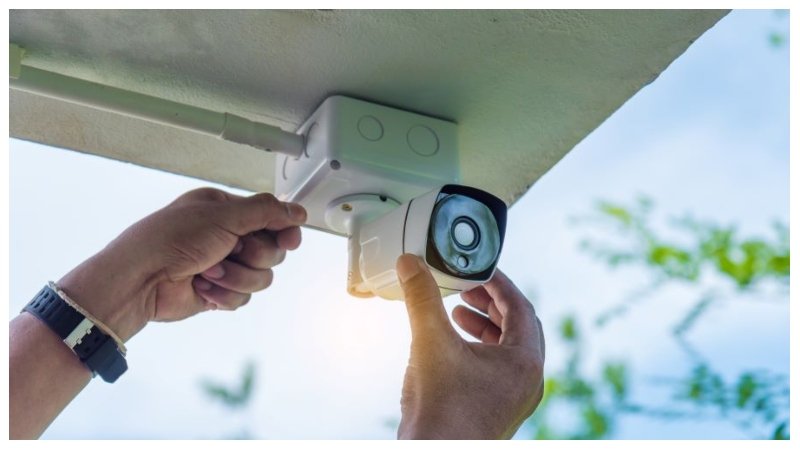
5. Proper Camera Placement Matters
Installing cameras isn’t just about quantity—it’s about positioning.
Incorrect placement can result in unusable footage. A poorly angled camera may miss faces or get affected by lighting conditions.
Professional home security systems installation ensures cameras are placed strategically for maximum coverage.
Best practices include:
- Positioning front door cameras at face level
- Covering both vehicles and movement in driveways
- Focusing backyard cameras on entry points
- Placing indoor cameras in high-traffic areas
6. Monitoring Options
There are two main choices:
- Self-monitoring: Alerts go directly to your phone
- Professional monitoring: A service responds to alerts and contacts emergency services
Many security systems installations now offer both options, allowing flexibility based on your needs.
7. Plan Smart Home Integration Early
Modern systems can integrate with:
- Smart locks
- Doorbell cameras
- Lighting systems
- Voice assistants
Planning this before your home security systems installation ensures smoother setup and avoids compatibility issues later.
8. Check Local Regulations
Some areas require permits for security systems installations, especially those connected to monitoring services.
Skipping this step can result in fines or additional charges for false alarms. Always verify local requirements before installation.
9. Test the System Before Completion
Before the technician leaves, test everything:
- Cameras
- Motion sensors
- Door and window contacts
Also ask important questions like:
- Is there battery backup?
- How long does it last?
- How are false alarms handled?
- How do you manage user access?
Testing ensures your home security systems installation works exactly as expected. Click here for more information.
10. Plan for Future Expansion
Your needs may change over time. Whether it’s a growing family or home upgrades, your system should be flexible.
Before finalizing your security systems installation, confirm:
- Can you add more cameras or sensors later?
- Is the system scalable?
- Can plans be upgraded easily?
A future-ready system saves money and avoids full replacements.
Final Thoughts
A well-planned home security systems installation provides real protection and peace of mind. Taking time to understand your needs, evaluate your home, and ask the right questions ensures your investment is worthwhile.
Rushing into security systems installations may leave you with equipment that looks good but doesn’t fully protect your home.
A thoughtful approach makes all the difference.