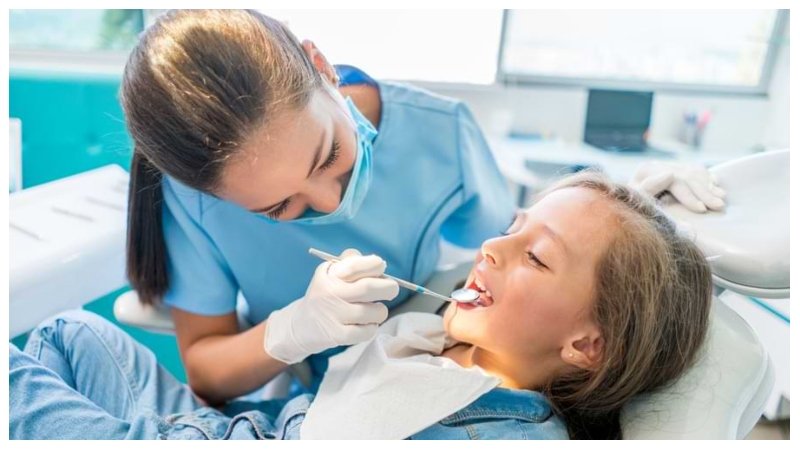
Last year, a small dental clinic in Ohio was hit with a $50,000 HIPAA penalty. Surprisingly, it wasn’t due to a cyberattack or data breach. Instead, patient files were discovered in a dumpster outside the facility—partially shredded, with names still readable. The office manager had relied on a standard strip-cut shredder and assumed it was sufficient.
It wasn’t.
Situations like this rarely make headlines, but they happen far more often in small and mid-sized healthcare facilities than most people realize. And in most cases, it’s not negligence—it’s a lack of awareness about where real risks actually exist.
That’s exactly what needs to be understood in the context of medical garbage disposal services and proper compliance systems.
Infection Risks Often Come From Unexpected Areas
When clinic managers think about infection control, they usually focus on obvious zones like examination rooms, operating areas, or sterilization units.
But waste handling is just as important.
Without proper medical garbage disposal services, even routine waste can become a risk factor.
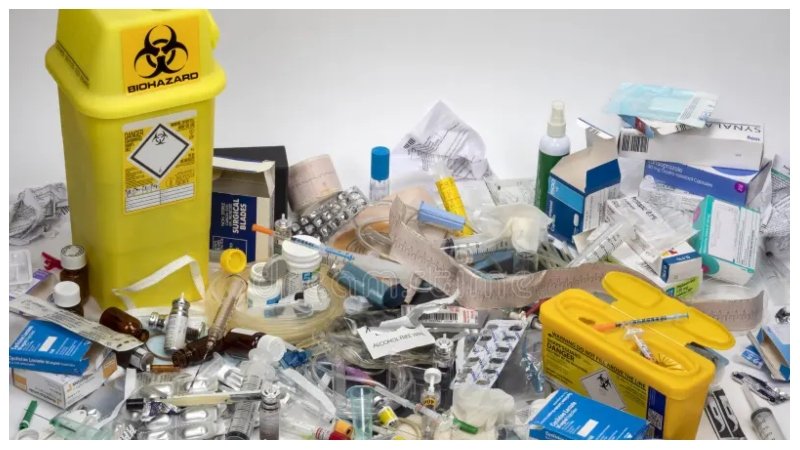
Consider what is routinely discarded in a typical clinic:
- Gloves used during patient interactions
- Wound dressings and contaminated gauze
- Sharps containers that are overfilled
- Printed lab reports awaiting medical records shredding
- Expired medications improperly discarded
Individually, none of these seem alarming. But each item can create serious infection risks if waste management is not handled properly.
Why Sharps Waste Still Poses a Major Threat
Needlestick injuries remain one of the most common preventable hazards in healthcare environments.
A weak disposal system is usually the cause—not lack of training.
This is where medical garbage disposal services become essential.
The risks include:
- Exposure to bloodborne diseases (Hepatitis B, Hepatitis C, HIV)
- Mandatory medical testing and reporting
- Workers’ compensation claims
- OSHA investigations
- Reduced staff confidence and workplace stress
Proper systems ensure sharps containers are replaced on time and disposed of safely, reducing avoidable accidents.
Medical Records Shredding and Contamination Concerns
Many clinics treat document disposal only as a HIPAA requirement, but it is also a hygiene and safety issue.
Paper passes through multiple hands and environments, making it vulnerable.
Without professional medical records shredding, risks include:
- HIPAA non-compliance from improper destruction
- Exposure of patient data
- Airborne paper dust contamination during shredding
- Weak strip-cut shredding that can be reconstructed
Certified medical records shredding ensures documents are securely collected, destroyed off-site, and backed with a certificate of destruction for compliance safety. Click here for more information.
The Challenge for Small Healthcare Practices
Large hospitals have full compliance departments. Small clinics do not.
This makes proper medical garbage disposal services even more important.
Common facilities affected include:
- Dental offices
- Urgent care clinics
- Physiotherapy centers
- Private medical practices
- Veterinary clinics
Without structured systems, these facilities often face:
- Improper pharmaceutical waste disposal
- Mixed waste handling errors
- Lack of documentation
- Outdated disposal workflows
What Professional Medical Garbage Disposal Services Improve
A structured system provided by medical garbage disposal services helps replace guesswork with consistency.
Key improvements include:
- Properly placed disposal containers
- Scheduled pickups based on actual waste volume
- Segregation of sharps, biohazard, and pharmaceutical waste
- Integrated medical records shredding solutions
- Complete compliance documentation
This reduces administrative burden and improves safety across the facility.
Cost vs Risk: The Real Comparison
Many clinics delay upgrading because current systems “seem fine.”
But risk is always present.
Potential costs include:
- Needlestick injuries: $5,000–$20,000
- HIPAA violations: per-record penalties
- Pharmaceutical waste fines: tens of thousands of dollars
- Reputation damage from public incidents
Compared to this, medical garbage disposal services and certified medical records shredding are far more cost-effective preventive solutions.
Final Thoughts
Professional medical garbage disposal services and medical records shredding systems are not just compliance tools—they are essential safety measures.
Most healthcare risks don’t come from dramatic failures, but from small, repeated gaps in disposal processes.
A proper system removes uncertainty, reduces infection risks, and keeps healthcare environments safer for everyone.