Key Takeaways
- Adopting sustainable building practices results in energy-efficient, comfortable homes.
- Incorporating passive design strategies can significantly reduce energy consumption.
- Utilizing eco-friendly materials promotes healthier indoor environments.
- Implementing smart home technologies enhances energy management and efficiency.
- Financial incentives are available to support sustainable home improvements.
Table of Contents
- Passive Design Strategies
- Eco-Friendly Materials
- Smart Home Technologies
- Financial Incentives
- Conclusion
Embracing sustainable building practices is no longer a niche trend. It has become a mainstream movement that is reshaping the housing industry. Today’s homeowners are increasingly seeking environmentally friendly solutions that not only minimize their ecological footprint but also promote higher comfort and energy efficiency. From smart design principles to eco-conscious materials, there are several pathways to a greener, more efficient home. Whether you are working with a new build or planning a renovation, solutions at your local hardware store can support your commitment to sustainability.
Incorporating sustainable features into your home benefits both the planet and your pocketbook over time. With advancements in building techniques, new materials, and smart technologies, it is easier than ever to construct or upgrade homes in an environmentally responsible manner. Additionally, eco-friendly choices like improved insulation, daylighting, and air-tight construction can substantially lower energy bills and enhance indoor comfort year-round.
As the popularity of green homes continues to rise, many prospective buyers rate energy-efficient upgrades among their top priorities. Not only do such improvements reduce operating costs, but they can also make properties more attractive to buyers. By integrating sustainable initiatives throughout the building or remodeling process, homeowners pave the way toward a healthier living environment now and for the future.
Many reputable organizations, such as the U.S. Green Building Council, offer practical guidance and informational resources for those interested in sustainable construction. Learning more about certified standards and available technologies helps you make informed choices that align with your goals and budget.
Passive Design Strategies
Passive design focuses on using a home’s structure, orientation, and layout to regulate temperature and airflow naturally. By strategically placing windows to capture winter sunlight and promote summer ventilation, homeowners can reduce the need for mechanical heating and cooling systems. Practices such as adding shaded verandas, roof overhangs, and double glazing help control internal temperatures year-round. In arid climates, architectural adaptations like courtyards and covered patios increase airflow and enhance cooling. These strategies are essential for boosting comfort and energy savings over time.
Studies have shown that homes utilizing passive design techniques can reduce energy consumption by as much as 40 percent. Proper site orientation and insulated building envelopes play a critical role in maximizing the efficiency of solar gain and natural breezes while minimizing energy waste. As homeowners grow more conscious of the importance of sustainability, passive design is quickly becoming a foundational aspect of new construction and retrofit projects alike.
Eco-Friendly Materials
Material selection is a cornerstone of sustainable building. Reclaimed wood, recycled metal, and renewable materials like bamboo and cork offer eco-friendly alternatives to conventional products. These choices reduce the environmental impact of resource extraction and manufacturing while improving indoor air quality. For example, low-VOC (volatile organic compound) paints, natural fiber carpets, and clay-based plasters release fewer toxins, which is beneficial for people with allergies or sensitivities.
Durable, long-lasting materials such as stone, concrete, and terrazzo are equally important. By prioritizing longevity and recyclability, homeowners help create a circular economy in which materials are reused rather than discarded. Locally sourced materials further reduce transportation emissions and support regional businesses. Integrating these solutions not only benefits occupants but also makes homes more appealing to environmentally aware buyers.
Smart Home Technologies
Modern homes increasingly rely on smart technology to boost energy efficiency and convenience. Smart thermostats track usage patterns and automatically adjust heating and cooling systems, while smart lighting systems can turn off lights in unoccupied rooms. These innovations allow homeowners to manage energy use more accurately, ensuring savings without sacrificing comfort.
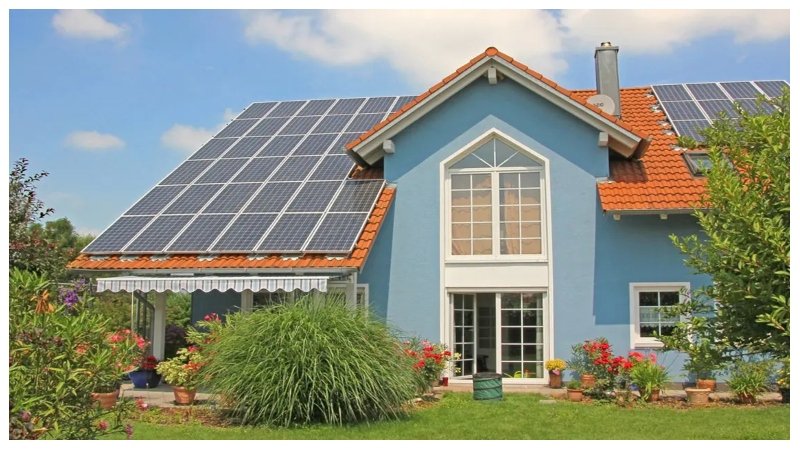
Other technology upgrades include energy monitors, high-efficiency appliances, and solar panel integration. These features enable real-time tracking of electricity use and the prioritization of high-efficiency settings. Interest in smart homes is on the rise, with many buyers identifying these features as must-haves for both environmental and economic reasons.
Financial Incentives
Long-term savings and financial assistance programs often offset the upfront investment in sustainable home improvements. Homeowners can take advantage of federal, state, or local tax credits for installing energy-efficient systems such as solar panels, heat pumps, and high-performance windows. Some utility companies offer rebates for appliances with ENERGY STAR ratings or for integrating renewable energy systems into the grid.
Grant programs and low-interest loans are also available to help offset the costs of sustainable renovation projects. Researching these incentives before you begin building or remodeling can help you plan your budget and maximize returns. Resources like the U.S. Department of Energy provide up-to-date information on available financial incentives and eligibility requirements.
Conclusion
Adopting sustainable building solutions is an effective way for modern homeowners to protect the environment while enjoying a comfortable, efficient, and healthy living space. By implementing passive design principles, selecting eco-friendly materials, leveraging smart technologies, and making use of available financial incentives, anyone can contribute to a greener future. These practices not only benefit the planet but also add value and comfort to homes for years to come. Click here for more information.