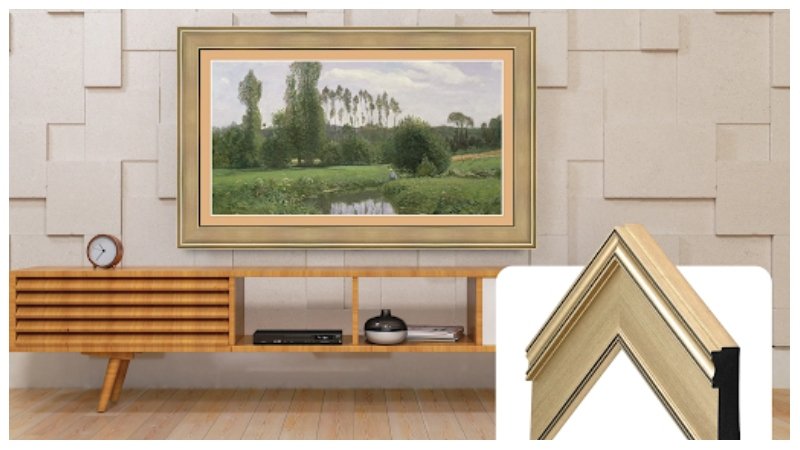
Seasonal change does not always announce itself loudly inside a home. With Spring, the shift is often sensed through softer light on surfaces, a gradual return of fresher color preferences, and a renewed interest in imagery that feels connected to growth. Within modern interiors, this seasonal influence is often expressed through digital artwork that carries natural themes into everyday living spaces.
Light Behavior That Shapes the Season Indoors
Spring has a way of altering how light behaves inside a room. Shadows feel less harsh, whites appear warmer, and colors take on a gentler presence. Digital visuals inspired by the season often work with these changes, responding naturally to brightness levels throughout the day.
Rather than dominating a space, they adjust alongside it, reinforcing the feeling of seasonal transition in a subtle way.
Nature-Inspired Visual Building Blocks
Spring-themed imagery is not defined by a single look but by a collection of natural signals interpreted through different artistic styles. These visual elements help convey the essence of the season without resorting to literal representation.
Typical components include:
- Pale gradients inspired by early morning skies and softened daylight
- Botanical outlines that suggest budding leaves and unfolding petals
- Wide spatial compositions that evoke openness and outdoor air
- Fluid transitions in color that mimic gradual environmental change
Together, these elements create a sense of visual ease and continuity.
Multiple Artistic Directions Within One Season
Spring appears in many forms depending on artistic interpretation. Some visuals lean toward a detailed, naturalistic accuracy, capturing flowers, fields, and landscapes with precision. Others use abstraction, where shape and tone replace literal scenery, focusing instead on emotional expression.
This range allows the spring to fit into different interior styles, whether minimal, modern, or more expressive.
Quiet Shifts in Interior Perception
Introducing spring-inspired visuals into a room does not change its physical structure, but it does influence how the space is perceived. The interaction between artwork, light, and surrounding elements creates a softer visual experience.
This often results in:
- A more balanced relationship between wall visuals and furnishings
- Reduced visual heaviness in structured or compact layouts
- A smoother connection between natural daylight and interior tones
- A subtle sense of expansion within the room’s visual boundaries
These effects are gradual and naturally integrated into daily viewing.
Seasonal Flow Through Visual Rotation
Digital spring artwork allows interiors to remain flexible throughout the season. Visuals can be adjusted or rotated effortlessly, allowing for reflections of different moods or phases of spring as it progresses.
One setting may highlight floral density, while another emphasizes open landscapes or abstract seasonal color studies. This rotation keeps the environment visually active while maintaining a consistent seasonal identity. Click here for more information.
Spring, expressed through curated digital art, becomes part of how a space is experienced rather than something added to it. It moves with light, time, and atmosphere, allowing interiors to feel gently aligned with the natural world outside.