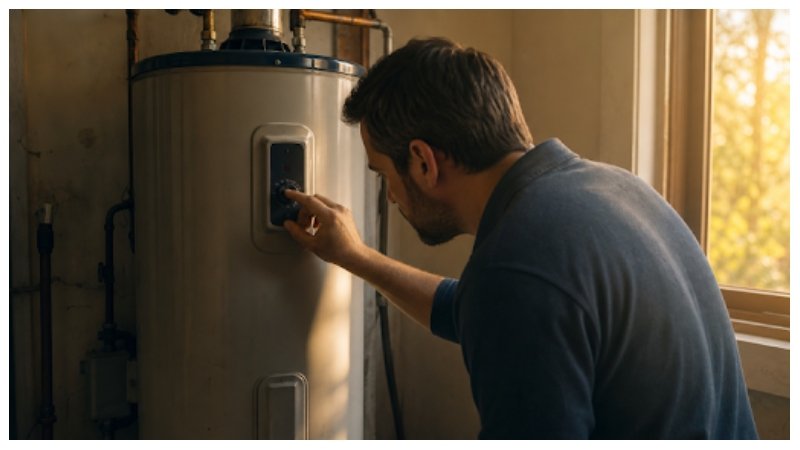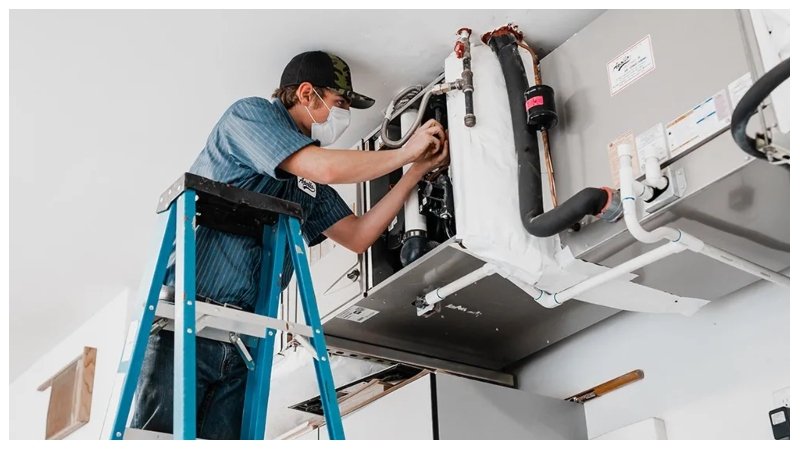
Minor HVAC issues often appear harmless at first in residential properties. A slight change in airflow, an unusual sound, or a mild temperature imbalance can seem easy to overlook. However, these early signs often indicate developing problems within the heating and cooling system. When ignored, they tend to grow into larger faults that affect comfort, safety, and energy use. Homeowners sometimes delay attention because the system still runs, but this delay can lead to costly consequences.
Understanding why these small issues matter helps protect both the equipment and the household environment over time. Timely attention also helps maintain consistent indoor air quality throughout the year.
What follows explains the key risks
-
Early warning signs in HVAC systems
Small operational changes in a residential HVAC system often signal underlying mechanical stress. Homeowners may notice uneven room temperatures, intermittent cycling, or faint rattling sounds. These signs usually indicate that components such as filters, coils, or fans are not functioning as intended. When airflow becomes restricted or parts begin to wear down, the system compensates by working harder than necessary. This extra strain reduces efficiency and increases energy consumption over time. Even minor irregularities in performance should be observed closely because they rarely resolve on their own. Instead, they tend to worsen as dust buildup, loose connections, or refrigerant imbalance progress.
Paying attention to these early symptoms allows for corrective action before the system experiences major failure. A consistent maintenance mindset ensures that the equipment continues operating smoothly and reduces the risk of unexpected breakdowns during extreme weather conditions when reliability matters most.
-
Energy loss from minor faults
Small faults in HVAC components can gradually increase household energy consumption without an obvious immediate warning. A slightly clogged filter, a weakened motor, or a minor refrigerant leak may not stop the system from running, but they reduce its efficiency significantly. As a result, the system must operate for longer periods to maintain desired indoor temperatures. Over time, this continuous strain reflects in higher utility bills and reduced system lifespan. Homeowners may not immediately connect rising energy costs with mechanical inefficiencies, which makes early detection even more important. Accessing heating and cooling system repair services when these subtle issues appear can prevent further deterioration and restore balanced system performance.
Ignoring such faults often leads to cascading damage that affects multiple components, increasing repair complexity. Addressing energy inefficiencies early supports both cost control and long-term equipment reliability in residential settings where consistent comfort is essential throughout seasonal changes.
-
Impact on indoor air quality
HVAC systems play a significant role in maintaining indoor air quality within residential properties. When minor issues such as dirty filters, clogged ducts, or weak airflow are ignored, contaminants can circulate more freely throughout the home. Dust, allergens, and other airborne particles accumulate faster, creating an environment that may feel stuffy or uncomfortable. In some cases, moisture imbalance caused by inefficient cooling can also contribute to mold growth within ducts or around vents. These conditions may not be immediately visible, but their effects are often noticeable through discomfort or respiratory irritation over time.
Ensuring that small system irregularities are corrected promptly helps maintain cleaner air circulation. Proper airflow and filtration support a healthier indoor environment and reduce the likelihood of persistent air quality issues developing unnoticed. Regular attention to system performance is therefore an important part of maintaining overall household well-being.
-
Strain on system components
Mechanical strain develops gradually when HVAC issues are not addressed early. Components such as compressors, fans, and thermostats are designed to operate within specific performance ranges. When smaller faults exist, these parts often compensate by working harder or running longer cycles. This increased workload accelerates wear and reduces the overall lifespan of the system. Over time, parts may begin to fail one after another, leading to more complex repair needs. What starts as a minor issue can evolve into widespread system damage if left unattended. Continuous strain also increases the likelihood of overheating or electrical malfunctions within the unit.
These problems not only disrupt comfort but can also lead to sudden system shutdowns. Preventing such outcomes requires careful observation of system behavior and timely corrective action. Maintaining balanced operation helps ensure that each component functions within its intended capacity, preserving both efficiency and reliability across seasonal usage patterns.
-
Cost implications of delayed repairs
Delaying attention to small HVAC issues often results in higher financial burdens over time. What could have been a simple adjustment or minor part replacement may escalate into a major repair involving multiple components. As damage spreads within the system, labor requirements increase and replacement parts become more extensive. This escalation not only raises repair costs but may also shorten the overall lifespan of the equipment. Homeowners may also experience higher monthly energy bills due to declining efficiency, adding to long-term expenses. The cumulative effect of these factors highlights the importance of addressing issues early rather than postponing action.
Quick response to performance changes helps maintain predictable maintenance costs and avoids unexpected financial strain. In residential settings where budgeting is important, preventing small problems from developing into larger ones provides both economic stability and operational reliability.
-
Maintaining long-term system reliability
Long-term reliability of residential HVAC systems depends heavily on consistent attention to small operational issues. When minor faults are corrected promptly, the system maintains stable performance across changing weather conditions. This stability reduces the likelihood of sudden breakdowns and ensures that heating and cooling needs are met without interruption. Regular observation of system behavior, combined with timely corrective actions, helps preserve the integrity of internal components. Over time, this approach extends equipment lifespan and supports more predictable energy usage.
Homeowners benefit from fewer emergency repairs and improved comfort throughout the year. Reliability is not achieved through occasional fixes but through ongoing awareness of system performance. By responding to early signs of wear or inefficiency, households can maintain a dependable environment while reducing unnecessary stress on equipment. This proactive approach ultimately supports both comfort and efficiency in residential living spaces.
Minor HVAC issues should never be dismissed because they often indicate developing problems that can grow into significant system failures. Early attention helps maintain energy efficiency, indoor air quality, and overall comfort within residential properties. Ignoring small signs of malfunction may lead to higher costs, increased wear on components, and reduced system reliability over time.
Consistent monitoring and timely response to irregular performance ensure that the system continues operating smoothly throughout seasonal changes. A proactive approach to maintenance supports both financial savings and household well-being, making it an important part of responsible home management for long-term stability and comfort. This also reduces the risk of unexpected breakdowns during peak usage periods. Click here for more information.