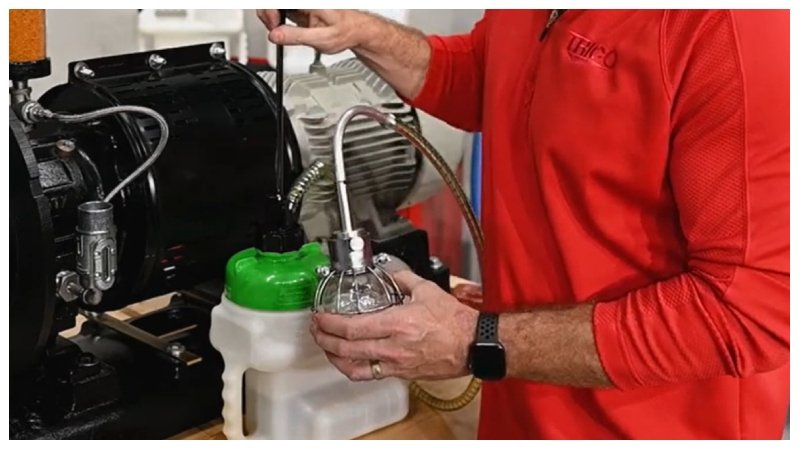
In industrial environments where machinery operates continuously under heavy loads, even small maintenance decisions can have major financial consequences. Equipment reliability directly impacts productivity, safety, and operational costs, which is why many businesses place enormous emphasis on preventative maintenance strategies. Among the most valuable of these strategies is routine lubrication. From mining and construction to manufacturing and marine industries, operations teams rely on high-quality wire lubricants and consistent servicing schedules to keep critical systems performing efficiently while avoiding costly downtime and premature equipment failure.
Lubrication Protects Equipment From Constant Wear
Industrial machinery contains countless moving components that operate under pressure, friction, and heat every day. Without proper lubrication, these components experience accelerated deterioration that can quickly lead to breakdowns.
Friction Creates Long-Term Damage
Whenever metal surfaces move against one another, friction generates:
- Heat buildup
- Surface wear
- Material fatigue
- Energy loss
- Increased strain on components
Routine lubrication creates a protective barrier that reduces direct metal-to-metal contact and minimizes operational stress.
Small Maintenance Tasks Prevent Major Repairs
One reason lubrication is considered highly cost-effective is that relatively inexpensive servicing can prevent extremely expensive failures.
Proper lubrication helps protect:
- Bearings
- Wire ropes
- Chains
- Hydraulic systems
- Gears
- Conveyor components
Extending the lifespan of these parts significantly lowers long-term replacement and repair costs.
Downtime Is Far More Expensive Than Maintenance
For most industrial operations, equipment downtime represents one of the biggest financial risks.
Unplanned Failures Interrupt Entire Operations
When machinery fails unexpectedly, the consequences may include:
- Production delays
- Missed deadlines
- Idle labor
- Emergency repair costs
- Lost revenue
- Project disruptions
Routine lubrication helps reduce the likelihood of these failures by maintaining smoother and more reliable equipment performance.
Preventative Maintenance Improves Scheduling
Operations teams prefer planned servicing over emergency repairs because it allows maintenance work to occur during controlled downtime periods.
This creates better:
- Workflow management
- Labor coordination
- Resource planning
- Equipment availability
Lubrication programs are therefore viewed as preventative investments rather than maintenance expenses alone.
Proper Lubrication Extends Equipment Lifespan
Heavy industrial equipment represents a major financial investment. Replacing machinery or critical components prematurely can create significant capital costs for businesses.
Reduced Wear Preserves Machinery Value
Routine lubrication helps minimize:
- Surface abrasion
- Corrosion
- Heat-related damage
- Fatigue stress
- Internal contamination
This protection allows equipment to remain operational for longer periods while maintaining efficiency and reliability.
Long-Term Savings Add Up Quickly
Even modest improvements in equipment lifespan can generate substantial savings across large fleets or industrial facilities.
For example, extending the service life of expensive components by even a small percentage may reduce:
- Replacement frequency
- Inventory costs
- Emergency maintenance expenses
- Operational interruptions
Over time, these savings often far exceed the cost of lubrication programs themselves.
Energy Efficiency Improves With Proper Lubrication
Lubrication not only protects machinery — it also improves operational efficiency.
Reduced Friction Lowers Energy Consumption
Poorly lubricated equipment requires more force and energy to operate because friction increases resistance within moving systems.
Routine lubrication helps:
- Improve mechanical efficiency
- Reduce motor strain
- Lower fuel consumption
- Minimize power loss
For operations running continuously, even small efficiency gains can create noticeable energy savings over time.
Equipment Performs More Smoothly
Well-lubricated systems generally operate with:
- Less vibration
- Reduced noise
- More stable temperatures
- Smoother movement
These performance improvements help reduce operational stress across entire mechanical systems.
Corrosion Prevention Saves Significant Costs
Corrosion remains one of the most damaging threats to industrial equipment, especially in outdoor or high-moisture environments.
Lubricants Help Block Moisture Exposure
Protective lubrication creates barriers against:
- Water intrusion
- Dirt contamination
- Salt exposure
- Chemical contact
- Dust accumulation
This is particularly important for industries such as:
- Marine operations
- Mining
- Construction
- Transportation
- Agriculture
where equipment frequently operates in harsh environmental conditions.
Internal Corrosion Is Often Hidden
One major advantage of routine lubrication is that it helps protect internal components that may not be easily visible during inspections.
Preventing internal corrosion significantly improves long-term equipment reliability and reduces hidden structural damage.
Safety Risks Are Reduced Through Consistent Maintenance
Operations teams also recognize lubrication as a critical safety measure.
Equipment Failures Can Create Serious Hazards
Mechanical failures involving moving machinery can result in:
- Workplace injuries
- Dropped loads
- Fire risks
- Hydraulic failures
- Structural damage
Routine lubrication helps reduce these risks by maintaining stable equipment performance and minimizing mechanical stress.
Reliable Machinery Supports Safer Worksites
Smoothly operating equipment creates more predictable and controlled working conditions for operators, maintenance crews, and surrounding personnel.
Safety improvements alone often justify ongoing lubrication programs in high-risk industrial environments.
Maintenance Costs Become More Predictable
Unexpected equipment failures often create financial uncertainty for businesses.
Routine Servicing Supports Budget Planning
Lubrication programs allow operations teams to manage maintenance expenses more predictably through:
- Scheduled servicing
- Planned parts replacement
- Reduced emergency repairs
- Lower downtime costs
Predictable maintenance is easier to budget for than sudden catastrophic equipment failures.
Emergency Repairs Typically Cost More
Reactive maintenance often involves:
- Urgent technician callouts
- Expedited parts shipping
- Overtime labor
- Production losses
Routine lubrication helps reduce the likelihood of these expensive emergency situations occurring.
Modern Machinery Requires Higher Maintenance Standards
Today’s industrial equipment is more advanced and more expensive than ever before.
Precision Components Need Better Protection
Modern systems often include:
- Tight mechanical tolerances
- High-performance hydraulics
- Electronic controls
- Automated systems
These components are highly sensitive to contamination, heat, and friction-related damage.
Routine lubrication helps maintain the precise operating conditions modern equipment requires.
Technology Has Improved Lubrication Practices
Operations teams now use advanced systems such as:
- Automated lubrication units
- Monitoring sensors
- Predictive maintenance software
- Condition analysis tools
These technologies help optimize lubrication schedules while reducing waste and improving servicing accuracy.
Environmental and Sustainability Goals Matter More
Sustainability has become an important operational priority across many industries.
Efficient Maintenance Reduces Waste
Proper lubrication helps lower:
- Component disposal rates
- Energy consumption
- Material waste
- Fluid contamination
Longer-lasting equipment also reduces the environmental impact associated with manufacturing and replacing heavy machinery.
Preventative Maintenance Supports Sustainability Targets
Many businesses now view efficient maintenance practices as part of broader environmental responsibility initiatives.
Lubrication programs support these goals while simultaneously improving operational efficiency.
Final Thoughts
Operations teams increasingly view routine lubrication as one of the most cost-effective investments they can make because it delivers benefits across nearly every aspect of industrial performance. From reducing downtime and extending equipment lifespan to improving safety and lowering energy costs, proper lubrication plays a critical role in maintaining reliable operations. Click here for more information.
In modern industries where equipment reliability directly affects productivity and profitability, preventative maintenance is no longer optional. Routine lubrication has become a strategic operational priority that helps businesses protect valuable assets while maintaining long-term efficiency and stability.